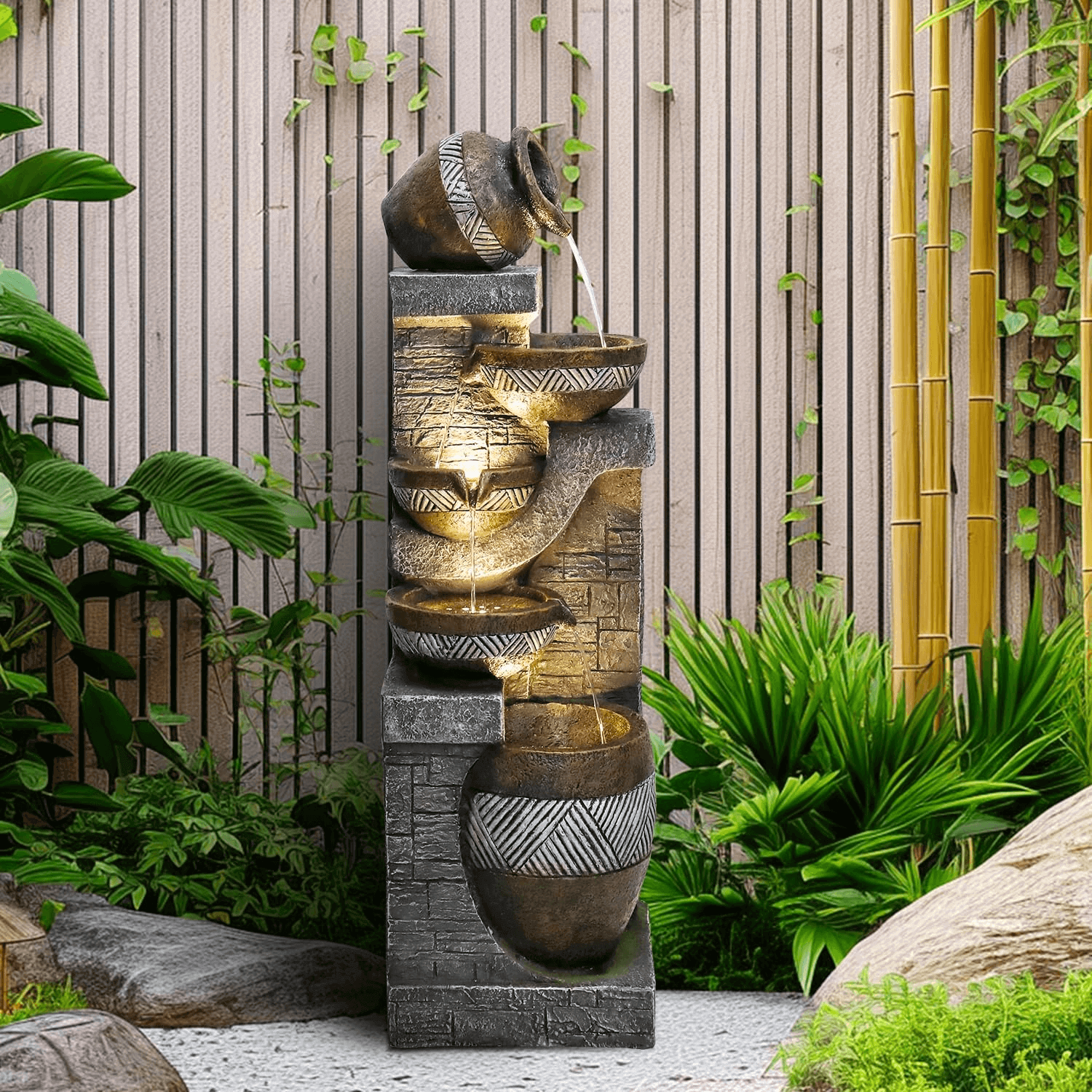


Adding a fountain to your bird bath is a fantastic way to attract more birds and keep mosquitoes away. But the thought of digging a trench to run an electrical cable across the yard is enough to stop most people in their tracks.
Enter the Solar Bird Bath Fountain. No wires, no electricity bills, just instant sparkles.
But how exactly do they work? And why do some stop working the moment a cloud rolls in while others keep dancing? Here is the simple science behind this popular garden gadget.
1. The Basics: Photovoltaics in Action
At its core, a solar fountain is a miniature power plant.
-
The Panel: The top of the fountain (or a separate stake) is covered in photovoltaic (PV) cells. These cells absorb photons from sunlight and convert them directly into an electrical current.
-
The Pump: This current travels instantly to a small submersible pump hidden underneath the unit.
-
The Action: The pump spins an impeller, which pushes water up through the nozzle.
The Golden Rule: The stronger the sunlight, the stronger the electrical current, and the higher the water shoots.
2. Direct Drive vs. Battery Backup (The Critical Difference)

If you are shopping for a solar fountain, you will see two main types. Understanding the difference prevents disappointment.
Type A: Direct Drive (Standard)
This is the most common and affordable option.
-
How it works: The motor is connected directly to the solar panel.
-
The Reality: It only runs when the sun is hitting the panel right now.
-
The "Cloud Effect": If a cloud passes over or a shadow from a tree hits the bath, the water stops immediately. It does not store power.
Type B: Battery Backup (The Upgrade)
This is the premium option, often listed as a "Solar Fountain with Battery Backup".
-
How it works: The solar panel charges a built-in rechargeable battery, and the battery runs the pump.
-
The Benefit: This creates a buffer. The fountain will continue to run smoothly when clouds pass over, and some can even run into the evening after the sun goes down.
-
Verdict: If you want consistent performance, it is worth the extra investment.
3. Installation Tips for Success
Since these devices rely entirely on the sun, placement is everything.
-
Seek the South: Place your bird bath in an area that gets unobstructed sunlight, preferably facing South or Southwest (if you are in the Northern Hemisphere).
-
Watch the Shadows: A spot that is sunny at 10 AM might be shaded by your house at 2 PM. Monitor the light patterns in your yard before placing the bath.
-
Keep it Clean: Pollen, dust, and bird droppings on the solar panel block the light. Wipe the surface with a damp cloth once a week to keep the energy flowing.
4. Maintenance: The Enemy is Debris
Because solar pumps are small, they can clog easily.
-
The Filter: Most units come with a small foam filter near the intake. If the water flow slows down, check this filter first—it’s likely full of algae or feathers.
-
Water Level: Never let a solar pump run dry. Since they spray water into the air, wind can blow the water out of the bowl, emptying it quickly on hot days.
Conclusion
So, how do solar bird bath fountains work? They turn sunlight into movement.
They are the easiest, most eco-friendly way to add the sound of running water to your garden. Whether you choose a simple direct-drive model for sunny days or a battery-backup model for evening ambiance, the birds will thank you for the fresh, oxygenated water.